

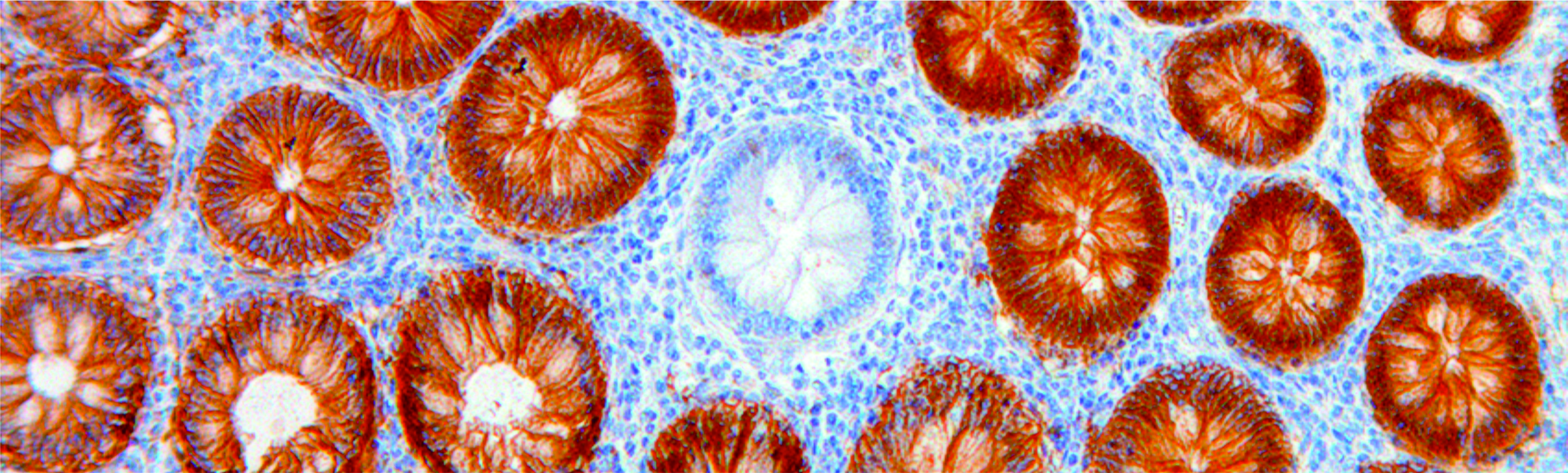
Coding microssatellite mutation and FSP-neoantigen Atlas
MMR-deficient cells acquire numerous mutations, most frequently at microsatellites. The high rate of mutations in MMR-deficient cells enhances the chance of hitting relevant microsatellite-bearing tumor-supressor genes. Due to selection process, only those cells bearing mutations, which provide certain growth advantages, can grow out into tumors. At the same time, microsatellite mutations result in generation of frameshift peptides (FSP). This means that the majority of FSPs will result from selected mutations that have a driver function in MSI carcinogenesis.
Still, cells of different tissue origin may have different driver mutations, and therefore also varying FSP spectrum. Therefore, comprehensive coding microsatellite mutation and neoantigen maps are essential for the understanding of the pathogenesis and anti-tumoral immune response in MSI cancers and developing vaccines for patients .
Pål Møller, Oslo University, Norway
Jukka-Pekka Mecklin, Jyväskylä University, Finland
Toni Seppälä, Helsinki University, Finland
Ian Frayling, University of Cardiff
Gabriela Möslein, Helios Clinic Wuppertal, Germany





Activities in clinical and scientific boards